cylogo2

C-YCNC

Blog

Featured image

CNC Milling of Counterbores in Internal Cavities

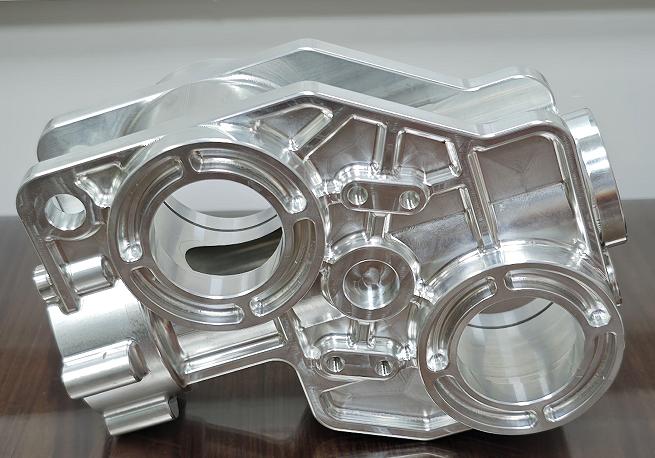
The CNC-integrated center frame is a key load-bearing part critical for safe high-speed rail operation. Counterbores in deep cavities (Fig. 1) need EDM, causing long cycles, poor finish, and clamping issues. CNC milling was adopted for counterbores to replace EDM, cut costs, and boost efficiency. Problem analysis and process test

Feature image 2

Dynamic Milling for Deep-Cavity Thin-Walled Parts

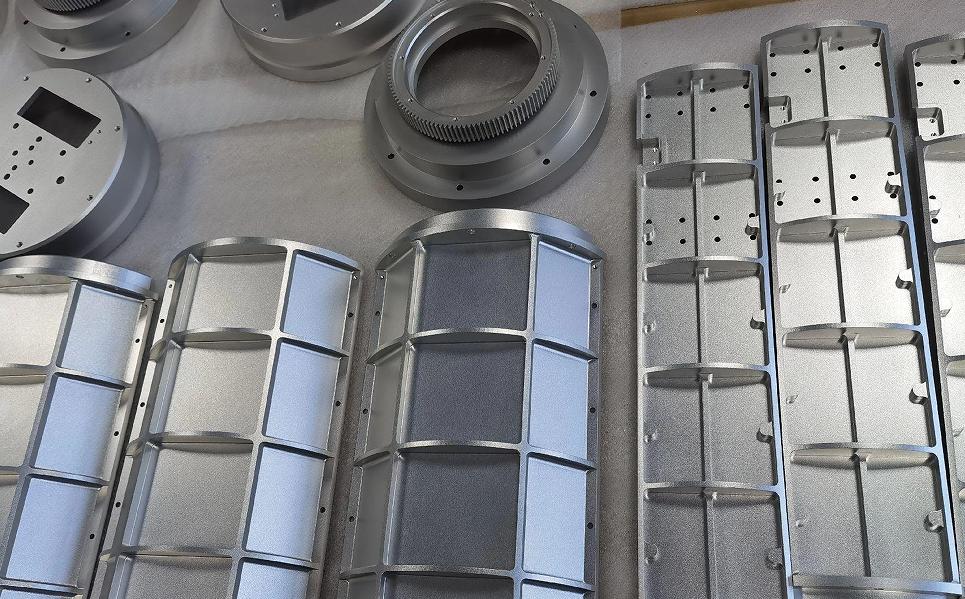
With the development of aerospace manufacturing technology,Aerospace product structures are becoming more complex, with rising accuracy requirements. To increase the effective load, the parts themselves are becoming lighter and lighter. Deep-cavity thin-walled parts are lightweight, mechanically strong, and evenly load-bearing, boosting their use. A deep-cavity thin-walled part requires high accuracy,

thin wall parts

Research on CNC machining fixtures for thin-walled parts

Thin-walled parts have structural characteristics that affect their machining. They are less rigid when machining on a CNC lathe. As a result, several issues arise, such as difficulty positioning the workpiece. The parts are also prone to deformation after machining. Additionally, it is challenging to ensure the surface roughness of the parts.

part machining

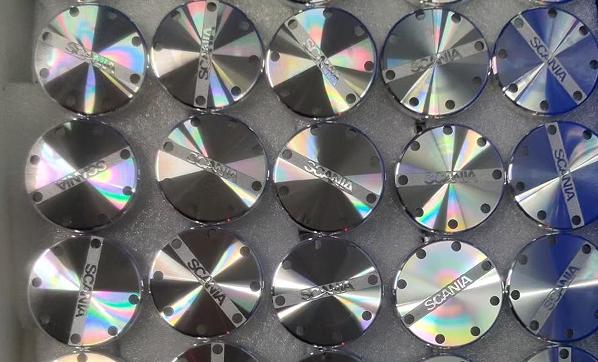
How to control the accuracy of automotive parts machining?

With the rapid progress of information and industrial technology, mechanized production technology has been effectively enhanced. This advancement, especially in automotive parts machining, has been widely used to promote a rapid increase in productivity. Automobile manufacturing enterprises need to improve the level of mechanization to reduce costs and improve efficiency.

CNC machining

Optimization of High-Speed CNC Machining

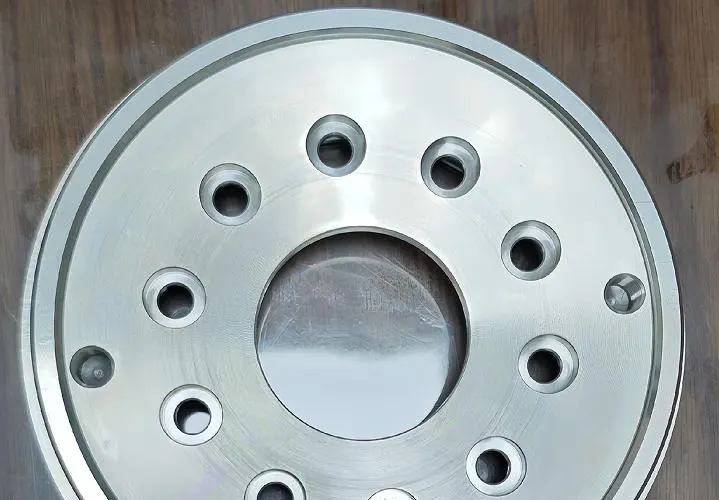
As technology evolves, the manufacturing sector’s focus on CNC  machining efficiency and quality positions high-speed cutting as the key to high-performance CNC operations. Optimize high-speed cutting process, improve equipment performance can not only effectively reduce production costs, but also improve machining accuracy and surface quality. Although significant progress has been

Scroll to Top